
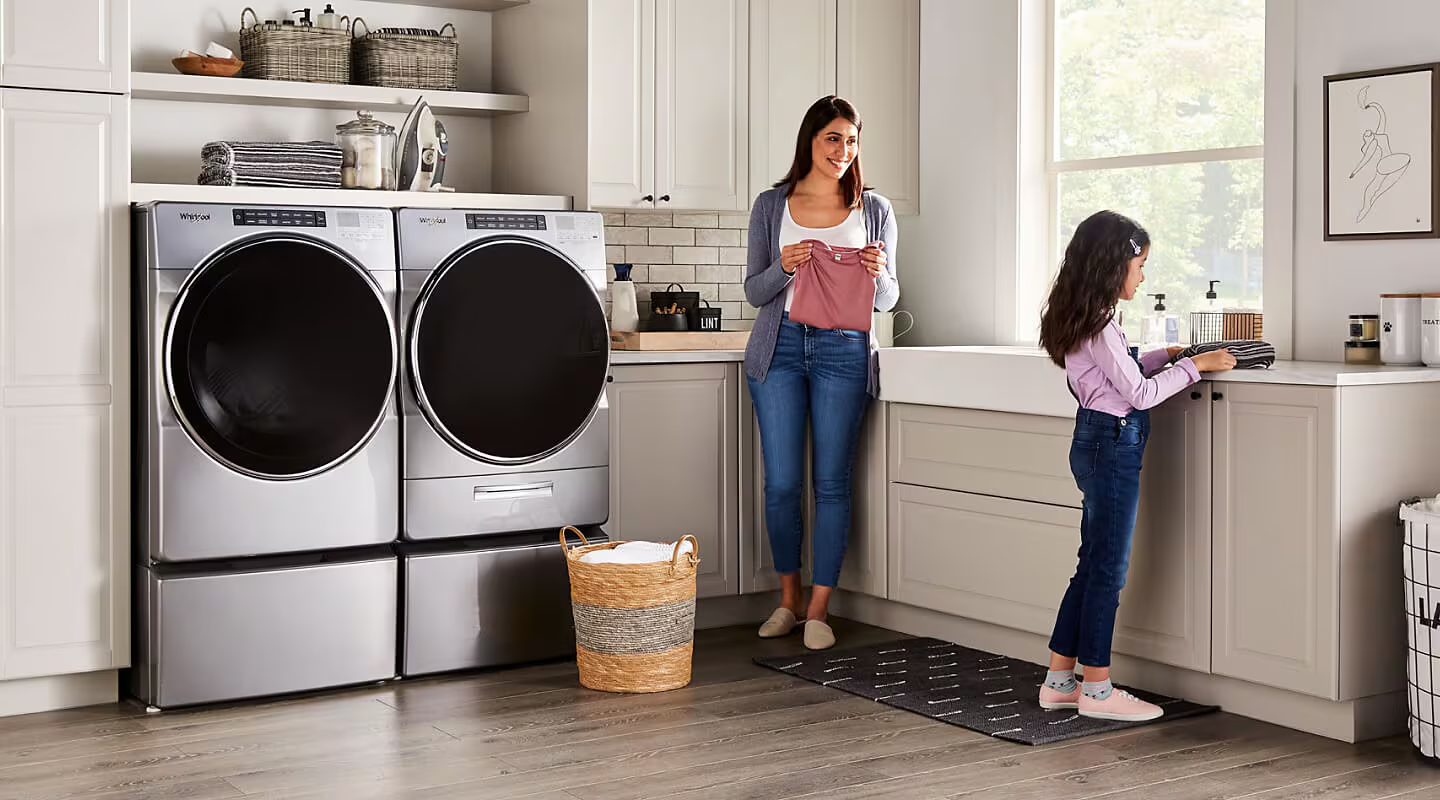
Laundry can quickly become one of those household chores that never seems to end. Clothes need to be sorted, washed, dried, folded, and put away—and when laundry piles up, the task can become even more stressful.
The good news is that you do not need to spend an entire day doing laundry to keep your household organized. A simple and consistent laundry routine can make the process easier, reduce last-minute washing, and help you stay on top of your family’s clothing, towels, bedding, and other washable items.
For busy households in Frederick, Maryland, professional laundry services can also make a major difference. Services such as wash and fold laundry service in Frederick, MD and laundry pickup and delivery can take some of the work off your schedule.
This guide explains how to create a practical laundry routine, organize laundry at home, avoid common mistakes, and decide when professional laundry service may be worth considering.
Why Having a Laundry Routine Matters
Without a routine, laundry often gets handled only when there is a problem.
You may suddenly realize:
- There are no clean work clothes.
- The children need school uniforms.
- The towel basket is full.
- Bedding needs to be washed.
- The laundry room is overflowing.
- Clean clothes are sitting unfolded for days.
A laundry routine helps prevent these situations.
Instead of waiting for a huge pile to develop, you can divide laundry into manageable loads throughout the week.
A good routine should fit your household rather than create more work. Some families may need several smaller loads, while others may prefer one or two larger laundry days.
Step 1: Create a Dedicated Laundry Collection Area
One of the easiest ways to improve laundry organization is to decide where dirty clothes belong.
Instead of allowing clothes to collect on bedroom floors, bathroom floors, chairs, and furniture, use designated hampers or laundry baskets.
You can use separate baskets for:
- Whites
- Colors
- Dark clothing
- Towels
- Bedding
- Delicates
- Heavily soiled items
You do not necessarily need six different baskets. Even two or three categories can make sorting easier.
The goal is to create a simple system that everyone in the household can follow.
Step 2: Sort Laundry Before Washing
Sorting laundry before putting it into the washing machine can prevent several problems.
Separate items according to:
Color
Keep very dark clothing separate from whites and light-colored fabrics, particularly when washing new garments.
Fabric Type
Heavy towels and jeans do not necessarily need to be washed with delicate fabrics.
Soil Level
Very dirty work clothes, outdoor clothing, and heavily stained items may require different treatment from lightly worn everyday clothing.
Care Requirements
Some clothing requires cold water, delicate cycles, air drying, or other special handling.
Taking a few minutes to sort laundry can help protect clothing and make the washing process more predictable.
Step 3: Check Clothing Pockets
Before putting clothes into the washing machine, check pockets.
Items accidentally left inside pockets can create unnecessary problems.
Common examples include:
- Tissues
- Receipts
- Pens
- Coins
- Paper
- Lip balm
- Small toys
- Keys
A tissue left in a pocket can spread small pieces of paper throughout an entire load. A pen or makeup product may also stain multiple garments.
Make checking pockets part of your normal sorting routine.
Step 4: Read the Care Labels
Not every item should be washed in exactly the same way.
Care labels can tell you whether an item should be:
- Machine washed
- Hand washed
- Washed with cold water
- Washed on a delicate cycle
- Air dried
- Tumble dried
- Kept away from bleach
- Dry cleaned
Following these instructions can help reduce unnecessary shrinking, fading, stretching, and fabric damage.
When you are unsure about an expensive or delicate item, avoid experimenting with aggressive cleaning methods.
Step 5: Don’t Overload the Washing Machine
One of the most common laundry mistakes is trying to fit too much into one load.
A full washing machine may look efficient, but an overloaded drum can prevent clothing from moving freely through the water and detergent.
Overloading can contribute to:
- Poor cleaning
- Incomplete rinsing
- More wrinkles
- Detergent residue
- Longer drying times
- Increased wear on some fabrics
Leave enough space for the laundry to move during the wash cycle.
If you frequently have more laundry than your machine can comfortably handle, professional laundry service may be a practical alternative.
Step 6: Use the Right Amount of Detergent
More detergent does not automatically mean cleaner clothes.
Using excessive detergent can leave residue behind and may make fabrics feel stiff or cause problems with rinsing.
Always follow the detergent manufacturer’s instructions and consider:
- Load size
- Soil level
- Detergent concentration
- Washing machine type
- Water conditions
If clothing frequently feels sticky or has a strong detergent smell after washing, review how much detergent you are using.
Step 7: Create a Weekly Laundry Schedule
A weekly schedule can prevent laundry from becoming overwhelming.
For example, you might organize your week like this:
Monday — Everyday Clothing
Wash regularly worn clothes from the previous few days.
Wednesday — Towels and Household Items
Wash bath towels, hand towels, kitchen towels, and similar washable items.
Friday — Family Clothing
Handle school clothes, work clothes, and other items that need to be ready for the weekend.
Weekend — Bedding and Larger Items
Use the weekend for sheets, blankets, comforters, and other larger laundry items.
This is only an example. Your schedule should reflect the size of your household and how quickly laundry accumulates.
The important thing is consistency.
Step 8: Don’t Let Wet Laundry Sit in the Washer
Once the wash cycle is complete, move laundry to the dryer or drying area as soon as practical.
Leaving wet clothing inside the washing machine for an extended period can lead to unpleasant odors and additional rewashing.
A simple habit can help:
Wash → Dry → Fold → Put Away
Try not to allow any stage to become a permanent holding area.
Step 9: Make Folding Easier
Folding can sometimes feel like the most time-consuming part of laundry.
You can make it easier by creating a designated folding area.
A clean table, countertop, or folding surface can help.
Sort clean laundry into groups such as:
- Adult clothing
- Children’s clothing
- Towels
- Bedding
- Undergarments
- Work clothes
Folding items immediately after drying can also help prevent unnecessary wrinkles.
Step 10: Put Clean Laundry Away Immediately
Clean laundry is not truly finished until it is put away.
Leaving clean clothing in baskets can create another pile that needs attention later.
Give every household member a designated storage area for their clothing.
For families with children, simple systems often work best. Children can have separate drawers or shelves for everyday clothing, school clothes, pajamas, and other essentials.
Organizing Laundry for a Busy Family
Families can produce a surprisingly large amount of laundry each week.
Children may have school clothing, sports uniforms, towels, bedding, and everyday clothes, while adults may have work clothing and other washable items.
Instead of waiting until everything needs to be washed at once, divide laundry into smaller categories.
For example:
- Children’s clothing
- Adult clothing
- School and work uniforms
- Towels
- Bedding
- Special-care items
This makes it easier to identify what needs attention without creating one enormous laundry pile.
Laundry Tips for Busy Professionals
A busy work schedule can make laundry difficult to manage.
If you leave home early and return late, even basic laundry tasks can become inconvenient.
Consider creating a simple routine around your schedule.
For example, you can:
- Keep a laundry basket near the bedroom.
- Wash work clothes on a fixed day.
- Separate work clothing from heavily soiled items.
- Fold clothes immediately after drying.
- Keep a small supply of essential laundry products available.
- Use professional wash and fold service when your schedule becomes too busy.
For people who have little time for household chores, professional wash and fold service can reduce the amount of time spent washing and folding laundry.
Don’t Forget Bedding
Laundry organization should include more than everyday clothing.
Sheets, pillowcases, blankets, and other bedding should also become part of your routine.
Keep bedding separate from regular clothing when appropriate, particularly when the items are bulky.
Large bedding items may require additional washing space and longer drying times.
If you have large comforters or bulky household items that are difficult to handle at home, a special-care laundry service in Frederick, MD can be an option to consider.
How to Manage Laundry When You Have Limited Time
Sometimes the problem is not organization—it is simply a lack of time.
If your schedule includes work, school, family responsibilities, commuting, and other commitments, laundry can easily move to the bottom of your priority list.
In that situation, consider dividing the work.
You can handle easy loads at home while using professional services for larger or more time-consuming laundry.
For example:
At home:
- Small clothing loads
- Delicate garments
- Items requiring special care
Professional service:
- Large clothing loads
- Wash and fold
- Towels
- Bedding
- Recurring household laundry
- Pickup and delivery
This approach can make laundry more manageable without requiring you to completely change your routine.
When Laundry Pickup and Delivery Makes Sense
Laundry pickup and delivery can be particularly useful when you have more laundry than time.
With a laundry pickup and delivery service, you can arrange for your laundry to be collected, professionally handled, and returned according to the service’s available schedule.
This may be convenient for:
- Busy professionals
- Families
- Seniors
- Students
- People managing large laundry loads
- Customers without convenient access to laundry equipment
Instead of spending several hours washing, drying, and folding, you can use that time for work, family, errands, or rest.
Laundry Organization for Businesses
Laundry organization is not only important at home.
Businesses may regularly deal with:
- Towels
- Uniforms
- Linens
- Table linens
- Cleaning cloths
- Hospitality laundry
- Other washable materials
Restaurants, salons, gyms, spas, hospitality businesses, and other organizations may have recurring laundry needs.
A consistent system helps prevent clean and dirty items from becoming mixed together.
For businesses with regular laundry requirements, commercial laundry service in Frederick, MD can provide a more structured approach to managing recurring laundry.
Common Laundry Routine Mistakes to Avoid
Even an organized laundry system can become inefficient when basic mistakes are repeated.
Washing Everything Together
Different fabrics and colors may require different care.
Overloading the Washer
Large loads may not clean or rinse effectively.
Using Too Much Detergent
Extra detergent can leave residue rather than improving results.
Leaving Wet Clothes in the Washer
Move wet laundry to the drying stage as soon as practical.
Ignoring Care Labels
Some garments need special washing or drying conditions.
Waiting Until You Run Out of Clothes
Emergency laundry is usually more stressful than routine laundry.
Leaving Clean Clothes in Baskets
Folding and putting laundry away should be part of the routine.
A Simple Laundry Checklist
Use this checklist whenever you do a laundry load:
-
Sort laundry
-
Check pockets
-
Check care labels
-
Separate heavily soiled items
-
Avoid overloading
-
Add the correct amount of detergent
-
Select the appropriate wash cycle
-
Move laundry to the dryer or drying area
-
Make sure items are completely dry
-
Fold clean laundry
-
Put everything away
A simple checklist can make the process more consistent, especially when several people share laundry responsibilities.
Frequently Asked Questions
How many times a week should I do laundry?
There is no single schedule that works for every household. The right frequency depends on the number of people, clothing usage, towels, bedding, and available washing capacity. Smaller regular loads can be easier to manage than one very large laundry day.
What is the best way to organize laundry at home?
Start by using designated laundry baskets, sorting items by color and fabric type, and creating a weekly washing schedule. Keep the system simple enough that everyone in the household can follow it.
Is it better to wash laundry every day or once a week?
Both approaches can work. Daily or every-other-day washing may suit large families, while smaller households may prefer one or two laundry days per week.
How can I save time doing laundry?
Sort laundry in advance, avoid overloading the machine, use a consistent schedule, fold clothes immediately after drying, and consider professional wash and fold or pickup and delivery services when your schedule is busy.
Should towels be washed separately from clothes?
Washing towels separately is often useful because they are heavier and may produce lint. It also allows you to choose a wash and drying routine specifically suited to towels.
What should I do when I have too much laundry?
Divide the laundry into manageable categories and prioritize essentials. If the workload is consistently too large for your schedule, professional laundry services can help reduce the time required for washing and folding.
Final Thoughts
A good laundry routine does not need to be complicated. The key is to create a system that fits your household and follow it consistently.
Sorting laundry, checking care labels, avoiding overloaded machines, using the correct amount of detergent, and moving clothes through the drying and folding stages can make laundry much easier to manage.
For Frederick households that do not have enough time for every step, professional services can provide additional flexibility. 4th Street Laundromat offers laundry solutions including self-service laundry, wash and fold, residential services, commercial laundry, special-care laundry, and pickup and delivery options.
The goal is simple: spend less time worrying about laundry and more time enjoying a clean, organized home.