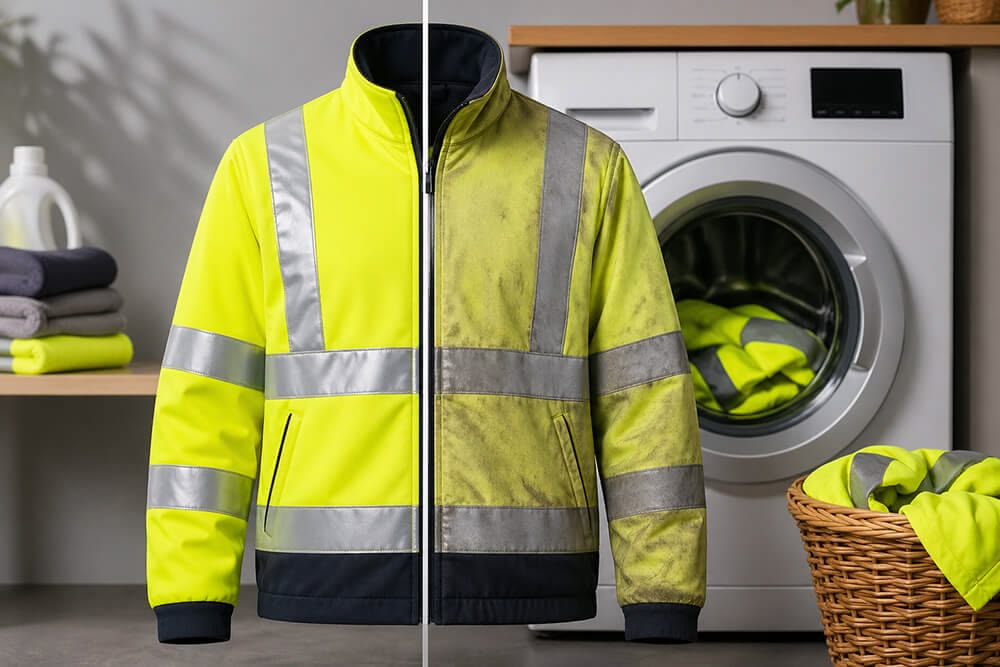
Work uniforms need regular cleaning, but washing them correctly is just as important as washing them frequently. Uniforms can be exposed to sweat, dirt, food, dust, grease, and other everyday workplace messes. Without proper care, frequent washing can also cause colors to fade, fabrics to weaken, and uniforms to lose their professional appearance.
Whether you work in an office, restaurant, healthcare environment, construction, hospitality, retail, salon, gym, or another industry, having a reliable uniform laundry routine can make a big difference.
For busy employees and businesses in Frederick, Maryland, professional laundry services can also make uniform care easier. Commercial laundry service in Frederick, MD can be particularly useful for businesses that handle uniforms, towels, linens, and other recurring laundry.
This guide explains how to wash, dry, store, and maintain work uniforms while avoiding common laundry mistakes.
Why Proper Uniform Care Matters
A work uniform represents more than just clothing. For many businesses, uniforms contribute to a consistent and professional appearance.
Poor laundry habits can lead to:
- Faded colors
- Stains that become difficult to remove
- Shrinkage
- Wrinkles
- Fabric damage
- Unpleasant odors
- Loose buttons or damaged fasteners
- Premature wear
A proper laundry routine can help uniforms remain presentable and comfortable while potentially extending the useful life of the garments.
Start by Checking the Uniform Care Label
Before washing any uniform, check the manufacturer’s care instructions.
The label may specify:
- Washing temperature
- Recommended cycle
- Whether bleach is permitted
- Drying instructions
- Ironing temperature
- Whether the garment requires professional cleaning
- Special handling requirements
Uniforms can be made from cotton, polyester, blends, denim, specialty fabrics, or other materials. Do not assume that every uniform should be washed in the same way.
Following the care label is especially important for uniforms that are expensive, specialized, embroidered, or made from technical fabrics.
Sort Work Uniforms Before Washing
Sorting uniforms before washing can help prevent color transfer and fabric damage.
Consider separating uniforms by:
Color
Keep white uniforms separate from dark or strongly colored garments.
Fabric
Heavy-duty uniforms may need a different wash cycle from lightweight work shirts.
Soil Level
Heavily soiled workwear should not necessarily be mixed with lightly worn office clothing.
Workplace
If a household contains uniforms from different jobs, keeping heavily soiled workwear separate from everyday clothing can be useful.
A few extra minutes spent sorting can prevent problems later.
Empty Every Pocket
Uniform pockets often contain more than expected.
Before washing, check for:
- Pens
- Receipts
- Coins
- Keys
- Small tools
- Paper
- Food wrappers
- ID cards
- Other workplace items
A pen can create stains throughout a washing load, while coins and other objects can potentially damage the washing machine.
Make pocket checking part of your regular uniform routine.
Treat Stains Before Washing
Work uniforms can collect stains from many different sources.
Common examples include:
- Food
- Coffee
- Grease
- Dirt
- Mud
- Ink
- Makeup
- Oil
- Grass
- Workplace materials
The sooner a stain is addressed, the better your chances may be of removing it.
First, identify the type of stain and check the garment’s care label. Use a suitable laundry pretreatment product when appropriate, following its instructions.
Avoid aggressively scrubbing delicate fabrics. Excessive rubbing can damage fibers or spread the stain.
How to Wash Cotton Work Uniforms
Cotton uniforms are common because cotton can be comfortable and breathable.
However, cotton may shrink or fade when exposed to excessive heat or harsh washing conditions.
For cotton uniforms:
- Check the care label.
- Use the recommended water temperature.
- Avoid excessive detergent.
- Separate colors.
- Avoid unnecessary high heat.
- Remove uniforms from the dryer promptly when the cycle finishes.
If a cotton uniform is new, pay particular attention to the manufacturer’s washing instructions because the first few washes can affect its fit and appearance.
How to Wash Polyester Uniforms
Polyester is commonly used in workwear because it is durable and generally easy to maintain.
However, polyester can hold onto odors and may not respond well to excessive heat.
When washing polyester uniforms:
- Follow the care label.
- Use an appropriate wash cycle.
- Avoid excessive heat when drying.
- Do not overload the washer.
- Make sure garments dry completely.
If uniforms retain odors after washing, review the amount of detergent being used and make sure the garments are not being left damp for extended periods.
How to Care for Blended Uniform Fabrics
Many uniforms use fabric blends to combine characteristics from different materials.
For example, a uniform may contain both cotton and polyester.
Always follow the care instructions provided for the garment rather than choosing a washing method based only on one component.
When unsure, use the gentler option recommended by the manufacturer.
Should Work Uniforms Be Washed Separately?
There is no universal rule that every uniform must be washed separately, but separating uniforms can be useful when they are heavily soiled or require different care.
For example, uniforms exposed to:
- Grease
- Mud
- Heavy dirt
- Industrial materials
- Strong odors
may be better handled separately from ordinary household clothing.
This can help keep heavily soiled laundry from affecting lighter loads.
Avoid Overloading the Washing Machine
Uniforms need enough space to move through the wash cycle.
An overloaded machine can make it harder for water and detergent to circulate properly.
It may also result in:
- Incomplete cleaning
- Poor rinsing
- More wrinkles
- Longer drying times
- Increased fabric stress
Instead of forcing everything into one load, divide uniforms into manageable batches.
This is especially important for businesses handling a large volume of workwear.
Use the Correct Amount of Detergent
Using extra detergent is not a shortcut to cleaner uniforms.
Too much detergent can leave residue on fabric and may make some garments feel stiff or difficult to rinse properly.
Follow the detergent manufacturer’s instructions and adjust the amount according to the size and soil level of the load.
If uniforms frequently have a strong detergent smell after washing, review the amount being used and consider whether the load is being overloaded.
Be Careful With Bleach
Bleach can be useful for some fabrics and laundry situations, but it should not be used automatically.
Before using bleach:
- Check the uniform’s care label.
- Confirm that bleach is permitted.
- Follow the product instructions.
- Never mix bleach with other cleaning chemicals.
Some colored uniforms can fade or become permanently damaged when exposed to chlorine bleach.
If you are unsure, choose a cleaning method specifically recommended for the garment.
How to Dry Work Uniforms
Correct drying is just as important as washing.
If the care label permits machine drying, select an appropriate temperature and avoid excessive heat.
High heat can contribute to:
- Shrinkage
- Fading
- Fabric damage
- Damage to elastic materials
- Changes in garment shape
Remove uniforms promptly when the drying cycle is complete.
For certain uniforms, air drying may be preferable. Hang them in a clean, well-ventilated location and make sure they are completely dry before storing them.
How to Reduce Wrinkles in Work Uniforms
A wrinkled uniform can make even clean clothing look less professional.
To reduce wrinkles:
- Do not overload the dryer.
- Remove uniforms promptly after drying.
- Shake garments before hanging or folding.
- Hang shirts and jackets immediately.
- Fold garments neatly.
- Use the ironing temperature recommended on the care label.
For uniforms that wrinkle easily, hanging them immediately after drying can save time later.
How to Keep Uniforms Fresh Between Shifts
Uniforms should not be left in a closed bag while damp.
If you have been sweating heavily during a shift, allow the garment to air out before placing it in a laundry basket or bag.
Good habits include:
- Hang damp uniforms when possible.
- Do not leave sweaty clothing in a closed vehicle.
- Keep clean uniforms separate from dirty ones.
- Wash uniforms according to their use and care requirements.
- Make sure garments are completely dry before storing.
These simple steps can help prevent unwanted odors and make your next workday easier.
Uniform Care for Restaurant Employees
Restaurant uniforms may encounter food, sauces, grease, cooking oils, and other stains.
Restaurant workers should avoid allowing food stains to sit untreated for long periods.
A practical routine is:
End of shift → Check stains → Sort → Pretreat when appropriate → Wash → Dry completely → Store
Heavily greasy uniforms should be kept separate from ordinary household clothing.
Businesses that regularly handle restaurant uniforms may benefit from a consistent commercial laundry service designed around recurring laundry needs.
Uniform Care for Construction and Outdoor Workers
Construction, landscaping, maintenance, and outdoor work can expose clothing to significant dirt, dust, mud, and other materials.
These uniforms may need to be sorted separately from regular clothing.
Before washing:
- Check pockets.
- Shake off loose dirt outdoors when appropriate.
- Review the care label.
- Separate heavily soiled items.
- Identify stains that need pretreatment.
- Follow any workplace-specific cleaning requirements.
Do not assume that ordinary household laundry methods are appropriate for uniforms contaminated with hazardous substances or specialized workplace materials. Follow applicable workplace procedures and garment instructions.
Uniform Care for Office Employees
Office uniforms may not become heavily soiled, but they still require regular care.
Shirts, trousers, skirts, jackets, and other professional clothing can develop wrinkles and odors if they are stored incorrectly.
For office clothing:
- Follow the care label.
- Avoid unnecessary high-temperature washing.
- Hang shirts and jackets promptly.
- Treat stains early.
- Avoid overcrowding the closet.
- Store clean clothing in a dry environment.
Proper care can help professional clothing maintain its appearance for longer.
When Professional Laundry Service Makes Sense
Washing one or two uniforms at home may be simple. Managing uniforms for an entire business can be much more complicated.
Professional laundry service may be useful for businesses that regularly handle:
- Employee uniforms
- Towels
- Linens
- Restaurant laundry
- Hospitality laundry
- Cleaning cloths
- Other washable workplace items
Instead of asking employees to manage large amounts of business laundry individually, a business can establish a consistent laundry process.
For Frederick-area businesses, Pickup My Wash commercial laundry service provides a convenient option for businesses with recurring laundry needs.
Professional Wash and Fold for Employees
Not every uniform requires commercial business service. Individual employees may also find professional laundry helpful when their work schedule leaves little time for household chores.
A wash and fold laundry service can be useful for customers who want their laundry professionally washed, dried, and folded.
This may be especially convenient for:
- Busy professionals
- Healthcare workers
- Restaurant employees
- Retail workers
- Students with part-time jobs
- Families managing multiple uniforms
Pickup and Delivery for Busy Workers
If getting to a laundromat is difficult because of work schedules, pickup and delivery can provide another option.
With laundry pickup and delivery in Frederick, MD, customers can arrange laundry service without having to spend their free time handling every washing and folding step themselves.
This can be particularly useful for employees who work long hours or have changing schedules.
How to Store Clean Work Uniforms
Once uniforms are washed and completely dry, store them correctly.
Shirts
Hang shirts on suitable hangers to reduce wrinkles.
Pants
Fold or hang trousers according to the available storage space.
Jackets
Hang structured jackets rather than compressing them into crowded drawers.
Specialty Uniforms
Follow any specific storage instructions from the manufacturer.
Keep clean uniforms away from dirty laundry and store them in a dry area.
Create a Uniform Laundry Schedule for Your Business
Businesses can make uniform management easier by establishing a clear routine.
For example:
Daily
Employees place used uniforms in the designated collection area.
Weekly
Laundry is sorted, washed, dried, and returned according to the business schedule.
Monthly
Managers review uniform condition and identify garments that need repair or replacement.
The exact schedule depends on the type of business, number of employees, and volume of laundry.
A consistent process is usually easier to manage than dealing with uniforms only when employees run out of clean clothing.
Common Uniform Laundry Mistakes
Washing Every Uniform Together
Different fabrics and colors may require different care.
Using Too Much Detergent
Excess detergent can create residue and does not necessarily improve cleaning.
Ignoring Stains
Allowing stains to sit for long periods can make them more difficult to address.
Using Excessive Heat
High temperatures can damage certain fabrics.
Leaving Uniforms Damp
Damp clothing should not be left inside closed bags or machines for extended periods.
Ignoring Care Labels
Manufacturer instructions are there to help protect the garment.
Mixing Heavily Soiled Workwear With Everyday Clothes
Separating heavily soiled items can help keep ordinary laundry cleaner and simplify the washing process.
Work Uniform Laundry Checklist
Use this simple checklist to keep your uniforms in good condition:
-
Check pockets
-
Read the care label
-
Separate colors
-
Separate heavily soiled garments
-
Pretreat appropriate stains
-
Use the recommended detergent amount
-
Avoid overloading
-
Select the appropriate wash cycle
-
Dry according to the care label
-
Remove garments promptly
-
Hang or fold uniforms neatly
-
Store clean uniforms in a dry area
Frequently Asked Questions
How often should work uniforms be washed?
The ideal frequency depends on the type of work and how heavily the uniform is used. Uniforms exposed to sweat, food, dirt, or other workplace materials may need to be washed after each use.
Can work uniforms be washed with regular clothes?
It depends on the uniform’s condition and care requirements. Lightly soiled uniforms may be compatible with some household laundry, but heavily soiled workwear is often better separated.
What is the best detergent for work uniforms?
There is no single detergent that is best for every uniform. Choose a suitable laundry detergent and follow both the detergent and garment manufacturer’s instructions.
How do I prevent work uniforms from smelling?
Wash uniforms regularly, avoid leaving sweaty clothing in closed bags, do not leave wet garments sitting in the washer, and make sure uniforms dry completely before storage.
Can I use fabric softener on work uniforms?
It depends on the fabric and manufacturer’s instructions. Some garments may not benefit from fabric softener, so always check the care label first.
How can businesses manage large amounts of uniform laundry?
Businesses can establish a collection and sorting system and use a recurring commercial laundry service for uniforms and other washable items.
Is professional laundry service worth it for work uniforms?
For employees with demanding schedules or businesses handling large quantities of uniforms, professional laundry can save time and make laundry management more consistent.
Final Thoughts
Work uniforms need regular care to remain clean, comfortable, and presentable. The most important habits are simple: check care labels, sort uniforms correctly, treat stains early, avoid overloading the washer, use the correct amount of detergent, and dry garments properly.
For individuals, professional wash and fold or pickup and delivery can reduce the time spent managing uniform laundry. For businesses with recurring laundry needs, commercial laundry service can provide a more organized solution.
If you are in Frederick, Maryland, Pickup My Wash provides laundry options for both households and businesses, including wash and fold, pickup and delivery, residential laundry, commercial laundry, and special-care services.
A consistent uniform-care routine can help you spend less time worrying about laundry and more time focusing on work.