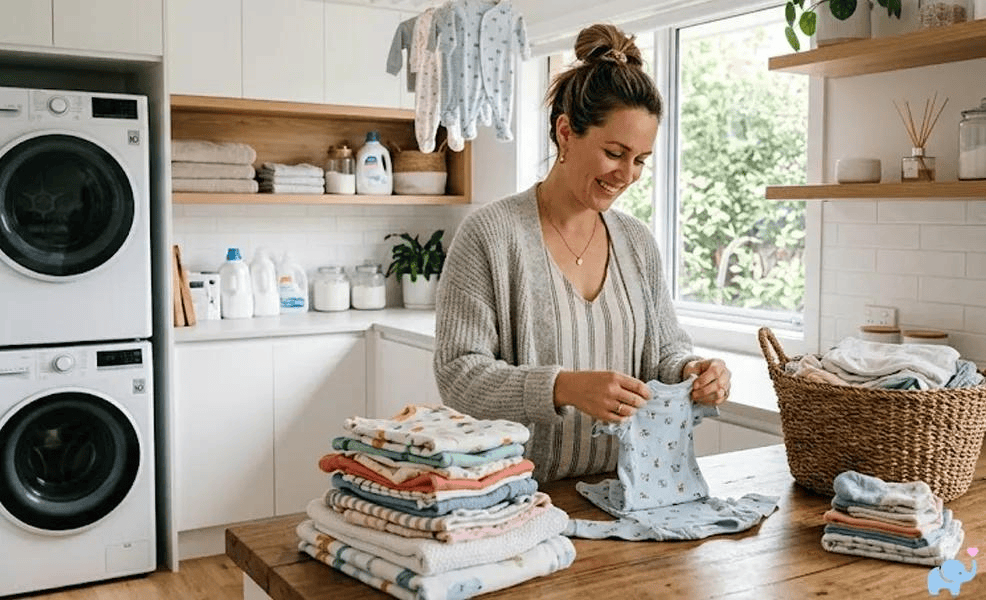
Children’s clothes go through a lot every day. From playground activities and school routines to mealtimes and outdoor adventures, their outfits can quickly collect dirt, food stains, grass marks, and everyday odors. Keeping these garments clean requires more than simply putting everything into the washing machine.
Different fabrics, colors, and clothing designs may need different washing methods. Understanding how to sort, wash, dry, and care for children’s garments can help parents maintain their clothing while avoiding unnecessary fabric damage.
For busy families in Frederick, MD, having a consistent laundry routine can make everyday clothing care easier. This guide explains how to wash children’s clothes, handle common stains, and keep their wardrobes fresh and organized.
Why Children’s Clothing Needs Regular Attention
Children frequently change outfits throughout the day, especially when they participate in school activities, sports, outdoor play, and family outings.
Their clothes may collect:
- Food and drink spills
- Grass and mud marks
- Sweat and body oils
- Dust and playground dirt
- Paint and craft materials
- Everyday stains from school activities
Washing garments appropriately helps remove everyday soil and keeps clothing ready for its next use. It also gives parents an opportunity to inspect garments for damaged seams, missing buttons, and worn fabric.
Sort Children’s Clothes Before Starting a Wash
Sorting is one of the simplest ways to improve your laundry routine. Placing every garment into one load may seem convenient, but different clothing items can have different washing requirements.
Separate Light and Dark Colors
Sort light-colored clothing separately from dark garments when appropriate. This helps reduce the risk of color transfer during washing.
New, brightly colored garments may release excess dye during their first washes, so check their care instructions and wash separately when necessary.
Group Similar Fabric Types
Children’s wardrobes may include cotton shirts, denim trousers, school uniforms, synthetic sportswear, and delicate outfits.
Check the care labels and group garments with similar washing requirements. This makes it easier to select an appropriate washing cycle.
Keep Delicate Garments Separate
Some children’s clothing includes decorative details, embroidery, delicate fabrics, or special fasteners.
Separate these garments from heavier items that may cause friction during washing. Use a suitable laundry bag when recommended by the garment manufacturer.
How to Wash Everyday Children’s Clothing
Most everyday children’s garments can be managed with a regular laundry routine, provided their care labels allow machine washing.
Choose the Appropriate Water Temperature
Water temperature should depend on fabric type, garment instructions, and the type of soil being removed.
Avoid automatically using hot water for every load. Some fabrics may shrink, fade, or lose their shape when washed at higher temperatures.
Follow the care label to choose the appropriate setting.
Use the Recommended Amount of Detergent
More detergent does not necessarily mean cleaner clothes. Using too much can leave residue on garments and inside the washing machine.
Read the detergent instructions and measure the recommended amount according to the load size and product guidance.
Avoid Overloading the Washing Machine
Overloading can prevent garments from moving freely during the wash cycle.
Leave enough room for clothing to move around inside the drum. This helps the machine wash the load more effectively and reduces unnecessary friction between garments.
Check Pockets and Fasteners
Before washing, check children’s pockets for small toys, paper, coins, and other objects.
Close zippers and fasteners where appropriate, and follow garment instructions for buttons and decorative details.
How to Handle Common Stains on Children’s Clothes
Children’s clothing often develops stains during normal daily activities. Treating them properly before washing can make cleaning easier.
Removing Food and Sauce Stains
Food spills can leave visible marks on shirts, trousers, and school uniforms.
Remove excess food carefully without rubbing it deeper into the fabric. Follow the garment’s care instructions and use an appropriate stain treatment before washing.
Cleaning Grass and Mud Marks
Outdoor play can leave grass and mud on knees, sleeves, and other areas of clothing.
Allow heavy mud to dry when appropriate, then gently remove loose dirt before treating the remaining mark. Avoid aggressive scrubbing that could damage the fabric.
Dealing With Paint and Craft Stains
School projects and craft activities can create difficult stains.
The correct cleaning method depends on the type of paint or material involved. Check the product information and garment care label before attempting treatment.
Some stains may require specialist advice rather than an ordinary washing cycle.
Treating Sweat and Deodorant Marks
School uniforms and sportswear may develop perspiration-related marks after extended wear.
Wash these garments according to their care instructions and avoid leaving heavily soiled clothing in a closed laundry basket for long periods.
For more stain-removal advice, explore our laundry stain-care tips.
Caring for School Uniforms and Sportswear
School clothing and sportswear are often worn repeatedly throughout the week. Creating a separate routine for these garments can help families manage laundry more efficiently.
Keep School Uniforms Ready for the Week
School uniforms should be inspected regularly for food stains, dirt, and worn areas.
A practical routine is to collect uniforms after school, check pockets, separate heavily soiled items, and wash suitable garments according to their labels.
Keeping a small backup supply of essential uniform items can also help when laundry takes longer than expected.
Give Sportswear the Right Attention
Sports clothing can collect perspiration and body oils during physical activity.
Avoid leaving damp sportswear inside gym bags for extended periods. Allow garments to air out when appropriate and wash them according to their fabric-care instructions.
Synthetic sports fabrics may have specific washing and drying requirements, so check their labels before cleaning.
Wash Socks and Smaller Items Together
Socks, undershirts, and other small garments can easily become separated during laundry.
Using a suitable mesh laundry bag can help keep smaller items together during washing.
How to Dry Children’s Clothes Without Damaging Them
Drying is just as important as washing when caring for children’s garments.
Some clothes can be tumble-dried, while others should be air-dried to help maintain their shape and fabric quality.
Check Garment Labels Before Tumble Drying
Not every garment is suitable for machine drying.
Check the care symbols before placing clothing in the dryer. Use the recommended heat setting and avoid unnecessary high temperatures.
Air-Dry Suitable Garments
Air-drying can be useful for delicate items and garments that should not be exposed to dryer heat.
Choose a suitable location with good airflow and allow clothing to dry completely before folding or storing it.
Avoid Storing Damp Clothing
Never place damp clothing directly into drawers or closed storage containers.
Allow garments to dry fully to reduce the risk of unpleasant odors and moisture-related problems.
Build a Simple Weekly Laundry Routine for Families
A regular laundry schedule can help parents avoid dealing with several large loads at once.
Collect Clothes in One Designated Place
Keep laundry baskets in convenient locations so family members know where to place used clothing.
Separate heavily soiled garments when necessary, especially clothes covered in mud or food.
Wash Frequently Used Garments Regularly
School uniforms, everyday outfits, socks, and sportswear may need frequent washing depending on how often they are worn and how heavily they become soiled.
Establish a routine that reflects your household’s clothing needs.
Organize Clean Clothes Immediately
Once garments are completely dry, fold them and return them to their appropriate drawers or wardrobes.
Keeping clean clothes organized makes it easier to prepare outfits for school and other activities.
Review Clothing Sizes and Condition
Children grow quickly, so review their wardrobes periodically.
Separate garments that no longer fit, need repairs, or require special care. This helps prevent unnecessary washing and makes wardrobe organization easier.
Common Mistakes to Avoid When Washing Children’s Clothes
Even a regular laundry routine can become less effective when basic care instructions are overlooked.
Using Too Much Detergent
Excess detergent can leave residue on garments. Always follow the product instructions and use an appropriate quantity.
Mixing Heavily Soiled Clothing With Delicate Items
Mud-covered trousers and delicate garments may need different treatment. Separate them before washing.
Ignoring Fabric Labels
Different garments may require different washing temperatures, cycles, and drying methods. Always check the manufacturer’s instructions.
Leaving Wet Clothes in the Machine
Leaving wet laundry inside the washing machine for an extended period can cause unpleasant odors. Remove garments after the cycle and dry them promptly.
Washing Every Garment the Same Way
A cotton school shirt, a wool sweater, and synthetic sportswear may require different care methods. Avoid using identical settings for every load.
When Professional Laundry Services Can Help Busy Families
Managing children’s clothing alongside work, school, meals, and household responsibilities can make laundry a time-consuming task.
Some families may prefer to handle everyday washing themselves, while others may need occasional help with larger laundry loads.
4th Street Laundromat offers laundry options in Frederick, MD, that customers can explore according to their household needs.
Save Time With Wash and Fold Laundry Service
Our wash and fold laundry service provides an option for customers who want help managing suitable everyday washable garments.
It can be useful when several loads of clothing accumulate during busy school weeks or family routines.
Arrange Laundry Collection and Delivery
Transporting several bags of laundry can be inconvenient for families with busy schedules.
Our pickup and delivery laundry service offers another option to explore.
Contact our team to confirm whether your address is covered and discuss the available collection schedule.
Use Self-Service Laundry When You Prefer to Wash Independently
Families who prefer to manage their own laundry can visit our self-service laundry facility in Frederick.
This provides an option for customers who want to handle their own washing and drying.
Frequently Asked Questions About Washing Children’s Clothes
How often should children’s clothes be washed?
It depends on how frequently garments are worn and how dirty they become. Everyday clothing, underwear, socks, and heavily soiled sportswear generally require regular washing.
Should children’s clothes be washed separately from adult clothing?
Not always. Suitable garments can be washed together when they have similar colors, fabric types, and care requirements. Heavily soiled items and delicate garments should be separated when necessary.
What is the best water temperature for children’s clothing?
There is no single temperature suitable for every garment. Follow the care label and choose the recommended setting based on the fabric and cleaning requirements.
How can I remove grass stains from children’s trousers?
Remove loose dirt first, then use a suitable stain treatment according to the fabric instructions. Wash the garment using its recommended settings and check the stain before drying.
Can school uniforms be washed with everyday clothing?
They can be washed together when the garments have compatible colors and washing instructions. Separate heavily soiled uniforms or garments requiring different treatment.
How should I wash children’s sportswear?
Check the care labels, avoid leaving damp sportswear in closed bags, and use suitable washing settings for the fabric. Avoid excessive heat unless the garment instructions allow it.
Can I put all children’s clothes in the dryer?
No. Some garments may shrink or become damaged by excessive heat. Check the care symbols before tumble drying and air-dry items when recommended.
How can I prevent children’s clothes from developing unpleasant odors?
Avoid leaving damp garments in closed bags or laundry baskets for extended periods. Wash clothing according to its care instructions and dry it completely before storage.
Is wash and fold suitable for children’s everyday clothing?
Wash and fold can be an option for suitable washable garments. Contact 4th Street Laundromat to confirm accepted items and available arrangements.
Where can families in Frederick get laundry services?
Families can visit 4th Street Laundromat at 401 N Market St, Frederick, MD 21701, to explore available self-service, wash and fold, and pickup and delivery options.
Make Family Laundry Easier to Manage
Children’s clothing requires regular attention, but a well-organized laundry routine can make everyday garment care easier. Sorting clothes properly, treating stains appropriately, following fabric instructions, and drying garments completely can help keep family wardrobes organized.
When household responsibilities become overwhelming, exploring professional laundry options may also help save time.
4th Street Laundromat provides laundry solutions for customers in Frederick, MD, with options designed to support different laundry needs.
Contact 4th Street Laundromat
- Address: 401 N Market St, Frederick, MD 21701
- Phone: +1 (301) 660-9055
- Email: laundry@pickupmywash.com
- Website: Pickup My Wash