
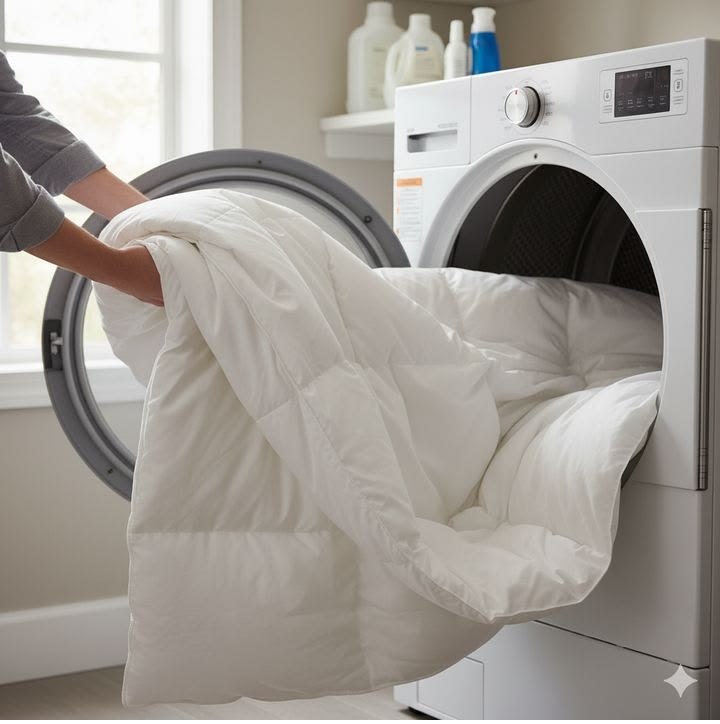
Blankets and comforters make bedrooms comfortable, warm, and inviting, but they also collect dust, body oils, sweat, pet hair, and everyday dirt. Because these items are used regularly, proper cleaning is important for keeping them fresh and maintaining their quality.
Unlike everyday clothing, blankets and comforters can be bulky and require extra attention during washing and drying. Using the wrong water temperature, detergent, or drying method may damage delicate fibers or leave the filling unevenly distributed.
Whether you are refreshing lightweight blankets or cleaning a thick comforter, following the right laundry routine can make the process easier. Here is a practical guide to washing and caring for household bedding.
Why Regular Blanket and Comforter Cleaning Matters
Blankets and comforters stay close to your body for extended periods. Over time, they can collect:
- Dust and everyday household particles
- Sweat and body oils
- Pet hair and dander
- Food and drink spills
- Odors from regular use
Regular cleaning helps remove accumulated dirt and keeps bedding feeling fresh. The ideal washing frequency depends on how often an item is used, whether pets share the bed, and the manufacturer’s care instructions.
Check the Care Label Before Washing
Before putting any blanket or comforter in the washing machine, read its care label. Different materials require different cleaning methods.
Pay attention to:
- Recommended water temperature
- Machine-washing or hand-washing instructions
- Whether bleach is permitted
- Drying recommendations
- Any professional-cleaning instructions
Some comforters are suitable for machine washing, while others may require special care. If the label recommends professional cleaning, follow those instructions rather than risking damage at home.
How to Wash Different Types of Blankets
Not every blanket should be washed in the same way. Understanding the material helps you choose a suitable cleaning method.
Cotton Blankets
Cotton blankets are generally easy to maintain. Check the care label, use an appropriate detergent, and select a suitable wash cycle. Avoid excessive heat if the fabric is prone to shrinking.
Fleece Blankets
Fleece blankets can collect lint and pet hair. Wash them according to the care instructions and avoid excessive heat during drying. Washing fleece separately from lint-producing fabrics can help maintain its appearance.
Wool Blankets
Wool requires extra attention because heat and agitation can cause shrinkage or changes in texture. Use only the cleaning method recommended on the care label. Some wool blankets may require hand washing or professional care.
Electric Blankets
Electric blankets need special handling because they contain electrical components. Follow the manufacturer’s cleaning instructions carefully. Never assume an electric blanket is machine washable or place it in a dryer unless the manufacturer specifically permits it.
How to Wash a Comforter Without Damaging It
Comforters are often larger and heavier than regular blankets. Before washing one, make sure your machine can accommodate its size without overloading.
Follow these practical steps:
- Inspect the comforter: Look for loose stitching, damaged seams, or small tears that could become worse during washing.
- Check the care label: Confirm whether machine washing is permitted.
- Choose a suitable detergent: Use an appropriate amount based on the product instructions.
- Avoid overloading: The comforter needs enough room to move during the wash cycle.
- Select the recommended cycle: Follow the manufacturer’s guidance for temperature and washing settings.
- Check after washing: Make sure the comforter has been cleaned thoroughly and has no remaining detergent residue.
If the comforter is too large for your household washing machine, consider a suitable larger-capacity laundry machine or professional laundry assistance.
Dry Blankets and Comforters Thoroughly
Drying is just as important as washing. Thick bedding can hold moisture deep inside its fabric or filling, even when the outer surface feels dry.
Use these tips:
- Follow the drying instructions on the care label.
- Avoid excessive heat on delicate fabrics.
- Give bulky items enough space to dry evenly.
- Check the center and thicker sections for remaining moisture.
- Make sure bedding is completely dry before folding or storing it.
Never store damp blankets or comforters. Remaining moisture can lead to unpleasant odors and other fabric problems.
Common Blanket and Comforter Washing Mistakes
Small laundry mistakes can affect the appearance, comfort, and lifespan of household bedding.
Overloading the Washing Machine
A comforter needs room to move freely. Overloading can prevent proper cleaning and rinsing.
Using Too Much Detergent
Excess detergent may leave residue in thick fabrics. Follow the detergent instructions and adjust the amount according to the load.
Ignoring Fabric Instructions
Using the same washing method for cotton, wool, fleece, and specialty bedding can cause unnecessary wear or damage.
Storing Bedding Before It Is Fully Dry
Even slightly damp bedding should not be packed away. Allow blankets and comforters to dry completely before storage.
Using Excessive Heat
High temperatures may damage certain fibers, shrink fabrics, or affect comforter filling. Always follow the care label.
How Often Should You Wash Blankets and Comforters?
There is no single schedule that works for every household. Washing frequency depends on how frequently bedding is used and the conditions in your home.
Consider washing blankets and comforters more regularly if:
- Pets frequently rest on them.
- They are used every night.
- Someone spills food or drinks on them.
- They develop noticeable odors.
- They are used by guests or different household members.
For seasonal bedding, clean items before storing them for several months. This helps prevent dirt and odors from remaining in the fabric during storage.
Store Clean Blankets and Comforters Properly
Once bedding is completely clean and dry, proper storage helps protect it until the next time you need it.
- Fold blankets neatly to reduce unnecessary creasing.
- Use clean, dry storage containers or breathable fabric bags.
- Keep bedding away from damp areas.
- Avoid compressing delicate comforters for extended periods.
- Store seasonal bedding in a cool, dry place.
Before using stored bedding again, inspect it for odors, dust, or signs of moisture.
When Professional Laundry Service Can Help
Large blankets and comforters can be difficult to wash at home, especially when your household machine has limited capacity. Professional laundry assistance can make bulky laundry more manageable.
4th Street Laundromat provides laundry options for customers in Frederick, MD. Depending on the item and its care instructions, you can explore wash and fold laundry service in Frederick or pickup and delivery laundry service.
If you prefer to handle your own laundry, visit the self-service laundry facility and choose a machine suitable for your load.
For delicate or specialty bedding, review the available special-care laundry options and contact the team to confirm whether your particular item can be accommodated.
Make Bedding Care Part of Your Household Routine
Clean blankets and comforters contribute to a more comfortable and organized home. By checking fabric labels, choosing appropriate washing methods, drying bedding thoroughly, and storing it correctly, you can maintain your household fabrics and avoid common laundry problems.
For residents in Frederick, MD, 4th Street Laundromat offers convenient laundry options for everyday clothing and household laundry. Visit Pickup My Wash to explore available services or contact the team with questions about your bedding laundry needs.
Frequently Asked Questions
Can I wash a comforter in a regular washing machine?
It depends on the comforter’s size, material, and care instructions. The machine must have enough capacity for the comforter to move freely during washing.
Should I wash blankets separately from clothes?
Washing blankets separately is often helpful because bulky items need more space and may collect lint from other fabrics.
Can I use hot water to wash comforters?
Not always. The correct water temperature depends on the fabric and manufacturer’s instructions. Check the care label before selecting a wash temperature.
How do I know when a comforter is completely dry?
Check the thickest areas and filling for any remaining moisture. The entire comforter should be dry before folding or storing it.
Where can I get help washing bulky bedding in Frederick, MD?
You can contact 4th Street Laundromat to ask about available laundry options for blankets and comforters. Service suitability depends on the item’s material, size, and care instructions.