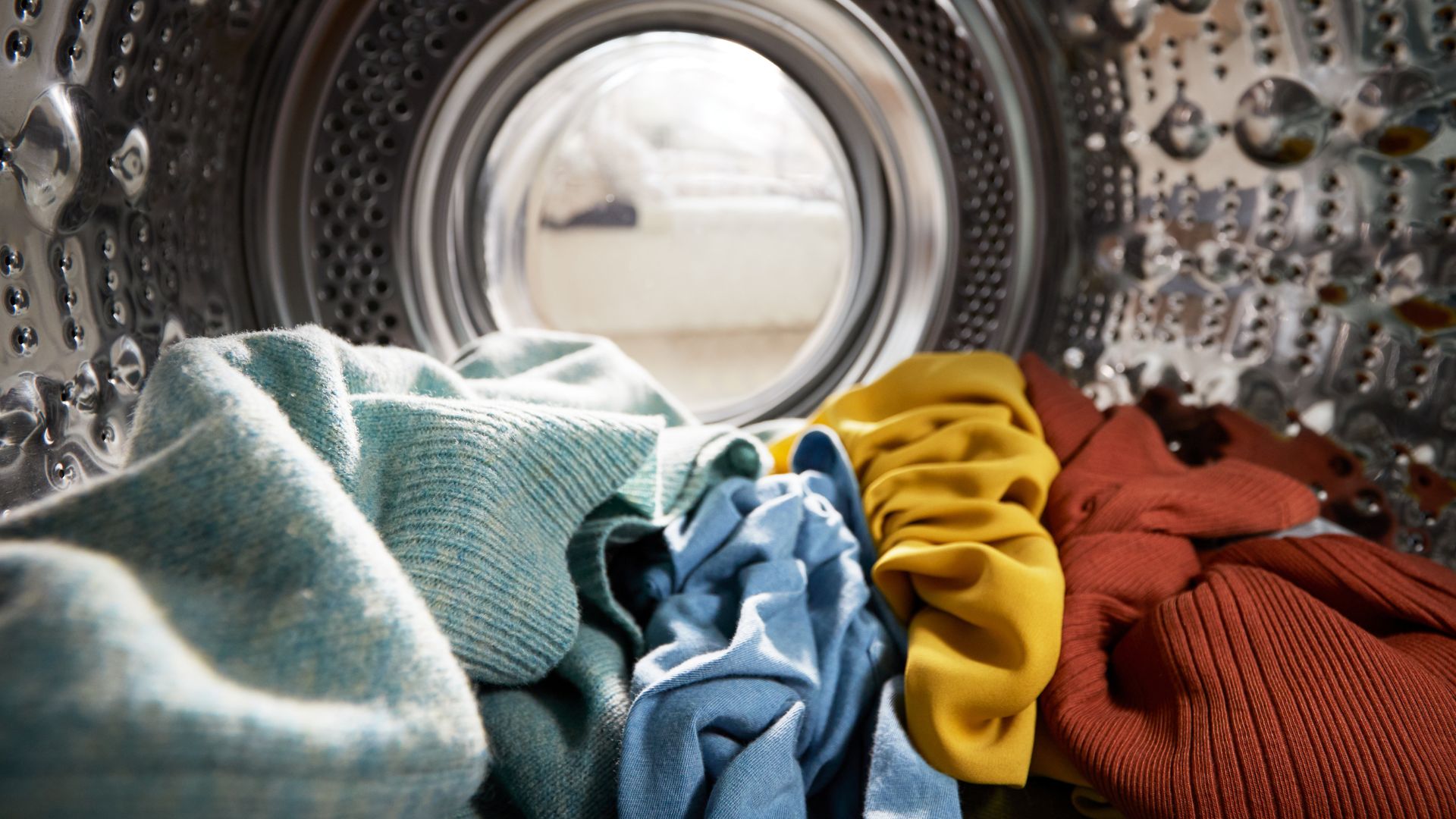
Gym clothes are designed to handle movement, sweat, and repeated workouts. From leggings and sports bras to running shirts, athletic shorts, and training jackets, activewear goes through a lot during regular exercise.
However, workout clothing needs proper care to stay comfortable and maintain its performance. Sweat, body oils, detergent residue, and improper drying can contribute to lingering odors and fabric wear. Simply putting everything into a regular laundry load may not always produce the best results.
Whether you exercise at the gym, run outdoors, participate in sports, or follow a home workout routine, knowing how to wash activewear properly can help you maintain your workout wardrobe.
Why Gym Clothes Need a Different Laundry Routine
Unlike many everyday garments, activewear is often made from synthetic materials designed to stretch, manage moisture, and support movement.
Common activewear materials include:
- Polyester
- Nylon
- Spandex
- Elastane
- Moisture-wicking fabric blends
These materials can retain body oils and odors, particularly when workout clothes are left damp inside a gym bag or laundry basket.
A consistent cleaning routine helps remove accumulated sweat and dirt while reducing unnecessary stress on the fabric.
What to Do With Workout Clothes After Exercise
The way you handle gym clothes immediately after a workout can make a difference.
Remove Clothes From Your Gym Bag
Avoid leaving sweaty clothing inside a closed gym bag for extended periods. Take it out when you get home and allow damp garments to air out before washing.
Separate Wet and Dry Items
Keep heavily damp workout clothes separate from dry garments. This helps prevent moisture from spreading to other laundry.
Avoid Leaving Clothes in the Washing Machine
Once a wash cycle finishes, remove your clothes promptly. Leaving damp activewear sitting inside the machine can contribute to unpleasant odors.
Check for Stains and Heavy Soil
Inspect workout shirts, socks, leggings, and other garments for visible dirt or stains before washing. Treat affected areas according to the fabric care instructions.
How to Wash Gym Clothes Properly
A suitable washing routine helps clean workout clothing without unnecessarily damaging its fibers.
1. Read the Fabric Care Labels
Different athletic garments may have different washing requirements. Check the care label for recommended water temperature, washing cycle, and drying instructions.
2. Turn Clothes Inside Out
Turning workout garments inside out can help expose the areas that collect sweat and body oils to the wash water.
3. Use an Appropriate Detergent Amount
Follow the detergent manufacturer’s instructions. Using more detergent than necessary may leave residue on synthetic fabrics.
4. Choose a Suitable Wash Cycle
Use a cycle appropriate for the fabric and soil level. Delicate or stretch garments may benefit from a gentler washing option.
5. Avoid Fabric Softener When Not Recommended
Some moisture-wicking fabrics may not respond well to conventional fabric softeners. Check the garment instructions and use products suitable for the material.
How to Remove Persistent Odors From Workout Clothing
One of the most frustrating activewear problems is clothing that smells fresh after washing but develops an unpleasant odor again when worn.
This can happen when sweat, body oils, and detergent residue remain trapped in the fabric.
Try these practical steps:
- Wash sweaty garments promptly instead of leaving them in a closed bag.
- Avoid overcrowding the washing machine.
- Use the recommended amount of detergent.
- Follow the manufacturer’s washing temperature instructions.
- Make sure garments dry completely before putting them away.
- Clean your washing machine regularly according to its maintenance instructions.
If odors remain, check the garment’s care label before trying a specialized laundry treatment.
How to Wash Different Types of Workout Gear
Different fitness garments require slightly different care routines.
Leggings and Yoga Pants
Leggings often contain stretch fibers that help them fit comfortably. Turn them inside out and follow the recommended temperature and cycle to help maintain their shape.
Sports Bras
Sports bras may contain elastic components and delicate stitching. Use the care instructions provided by the manufacturer, and avoid excessive heat that could affect elasticity.
Running Shirts and Athletic Tops
Moisture-wicking shirts can collect sweat around the underarms and back. Wash them according to the label and avoid leaving them damp after exercise.
Gym Socks
Gym socks can accumulate sweat and dirt during workouts. Separate heavily soiled pairs when needed and follow their fabric care instructions.
Workout Jackets and Hoodies
Athletic outerwear may contain water-resistant coatings or specialty materials. Check the label before using detergent additives, softeners, or high-temperature drying.
Common Mistakes That Can Damage Activewear
Even a regular laundry routine can create problems when workout clothing is not handled correctly.
Washing Everything at High Temperatures
Hot water is not suitable for every synthetic or stretch fabric. Follow the recommended temperature on the garment label.
Using Too Much Detergent
Excess detergent can leave residue that affects how fabric feels and performs.
Using High Heat in the Dryer
Some elastic and synthetic fibers can be damaged by excessive heat. Air drying or using a permitted low-heat setting may be more suitable.
Leaving Sweaty Clothes in a Closed Bag
Damp clothing should not remain packed away after exercise. Remove it and allow it to air out.
Mixing Activewear With Rough Fabrics
Heavy garments, rough materials, and items with zippers can cause friction during washing. Separating delicate activewear can help reduce unnecessary wear.
How to Organize a Weekly Workout Laundry Routine
If you exercise several times a week, workout laundry can quickly build up. A simple routine helps keep clean clothes available without creating a large laundry pile.
Consider the following approach:
- Keep a separate laundry bag for gym clothes.
- Remove damp garments from the bag after every workout.
- Check garments for stains before washing.
- Wash activewear in manageable loads.
- Return clean, completely dry clothes to your workout storage area.
- Inspect frequently used garments for stretched elastic, loose stitching, or fabric damage.
You can also keep a small collection of workout essentials ready so you do not need to rely on one set of clothes for every training session.
When Professional Laundry Assistance Makes Sense
Busy schedules can make it difficult to keep up with workout clothing, everyday garments, towels, and household laundry.
If your laundry routine becomes overwhelming, professional laundry assistance may help reduce the time you spend washing and folding clothes.
4th Street Laundromat serves customers in Frederick, MD, with laundry options designed for different household needs. Explore the wash and fold laundry service for help with everyday laundry or learn about pickup and delivery service for added convenience.
Customers who prefer handling their own laundry can also explore self-service laundry in Frederick.
For specialty athletic garments, check the care label and contact the team before arranging service to confirm whether the items can be accommodated.
Keep Your Workout Wardrobe Ready for Every Training Session
Clean workout clothes are an important part of maintaining a comfortable fitness routine. By removing sweaty garments from gym bags, choosing suitable washing methods, using the right amount of detergent, and avoiding excessive heat, you can help keep your activewear in better condition.
Whether you exercise every day or only a few times a week, a consistent laundry routine makes it easier to keep your fitness clothing ready for the next session.
For convenient laundry options in Frederick, MD, visit 4th Street Laundromat or contact the team to learn more about available services.
Frequently Asked Questions
Should I wash gym clothes after every workout?
Generally, yes. Workout clothing that has been worn during exercise should be washed before being worn again, especially when it is damp with sweat.
Why do my gym clothes still smell after washing?
Odors may remain when sweat, body oils, or detergent residue are not fully removed. Overloading the washing machine and leaving clothes damp for extended periods can also contribute to the problem.
Can I use fabric softener on moisture-wicking clothes?
Check the manufacturer’s instructions. Some moisture-wicking fabrics may not be suitable for conventional fabric softeners.
Should gym clothes be washed in hot or cold water?
The correct temperature depends on the garment’s material and care label. Many synthetic workout fabrics require a more careful washing approach than ordinary cotton clothing.
Can I put leggings and sports bras in the dryer?
Some garments can be tumble-dried using specific settings, while others should be air-dried. Always follow the care label to protect elastic fibers and fabric construction.
Where can I get laundry help in Frederick, MD?
4th Street Laundromat offers wash and fold, pickup and delivery, and self-service laundry options. Contact the team to confirm whether your specific workout garments are suitable for the service you need.