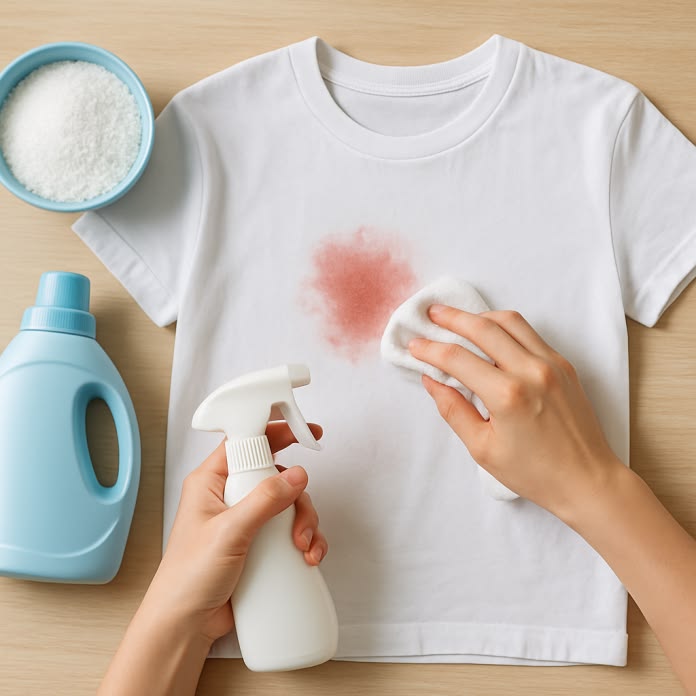
Stains are one of the most frustrating parts of doing laundry. A spilled cup of coffee, a drop of cooking oil, grass from the yard, or a little makeup on a shirt can turn an otherwise clean garment into a cleaning challenge.
The good news is that many common stains can be treated successfully when you use the right approach. The key is to identify the stain, act carefully, and avoid methods that can make the problem worse.
Whether you do laundry at home, visit a laundromat, or use a professional laundry service in Frederick MD, understanding basic stain-removal techniques can help you care for your clothing and household fabrics more effectively.
In this guide, we will explain how to handle common laundry stains, what mistakes to avoid, and when professional laundry care may be the better choice.
Why Treating Stains Quickly Matters
When a stain first appears, it is often easier to manage before it dries or becomes deeply embedded in the fabric.
As time passes, stains may become more difficult to remove because they can bond more strongly with fabric fibers. Heat from a dryer can also make certain stains more difficult to treat.
When you notice a stain:
-
Act as soon as practical.
-
Remove excess material carefully.
-
Avoid rubbing aggressively.
-
Check the garment’s care label.
-
Use a suitable treatment method.
-
Wash according to the fabric’s instructions.
-
Check the stain before drying.
Important: No stain-removal method guarantees complete removal. The result depends on the fabric, stain type, age of the stain, and previous treatments.
General Steps for Removing Laundry Stains
Before treating a specific stain, follow these basic steps.
1. Identify the Stain
Try to determine whether the stain is caused by oil, food, a beverage, dirt, ink, makeup, or another substance.
Different stains respond to different cleaning methods.
2. Remove Excess Material
If the stain contains solid material, gently lift it away using a spoon or dull edge.
Avoid spreading the stain across a larger area.
3. Blot Instead of Rubbing
For liquid stains, gently blot with a clean cloth or paper towel when appropriate.
Rubbing can push the stain deeper into the fibers or spread it outward.
4. Check the Care Label
Before applying a cleaning product, check whether the garment is machine washable and whether it has special instructions.
Some fabrics require gentle treatment or professional cleaning.
5. Test an Unnoticeable Area
If you are using a stain remover or cleaning solution, test it on a hidden area first to check for possible color damage.
6. Wash According to Instructions
Use the recommended water temperature and washing method.
7. Inspect Before Drying
Check whether the stain has disappeared before placing the garment in a dryer.
If the stain remains, avoid applying heat until you determine the next appropriate step.
How to Remove Coffee and Tea Stains
Coffee and tea are common household stains, especially on shirts, tablecloths, uniforms, and upholstery-safe washable fabrics.
Steps to Try
-
Blot excess liquid with a clean cloth.
-
Rinse the stained area with cool water when appropriate.
-
Apply a suitable laundry detergent or stain-treatment product.
-
Allow the product to work according to its instructions.
-
Wash according to the garment’s care label.
-
Check the stain before drying.
For older or dried coffee stains, additional treatment may be necessary.
Avoid using excessive heat before the stain is removed because heat can make some stains more difficult to treat.
Internal link: If you have clothing that requires additional attention, explore Special Care Laundry Service in Frederick MD .
How to Remove Grease and Oil Stains
Grease and oil stains can be particularly challenging because they do not behave like ordinary water-based stains.
Common sources include:
-
Cooking oil
-
Butter
-
Salad dressing
-
Food grease
-
Automotive oil
-
Lotion
-
Cosmetics
Steps to Try
-
Gently remove excess grease without spreading it.
-
Apply a suitable grease-fighting laundry product according to its instructions.
-
Allow the product to sit for the recommended time.
-
Wash using the garment’s care instructions.
-
Inspect the stain before drying.
Avoid placing an oil-stained garment directly into a hot dryer before checking the result.
If the item is delicate, expensive, or made from a specialty fabric, professional advice may be more appropriate than experimenting with household chemicals.
How to Remove Grass Stains
Grass stains are common on children’s clothing, sports uniforms, jeans, and outdoor workwear.
They often contain a mixture of plant pigments, dirt, and other materials.
Steps to Try
-
Remove loose dirt from the garment.
-
Rinse the area according to the fabric’s care instructions.
-
Apply a suitable laundry stain treatment.
-
Gently work the product into the affected area if the product instructions allow it.
-
Wash normally according to the care label.
-
Inspect before drying.
Grass stains may require more than one treatment, especially if they have already dried.
How to Remove Makeup Stains
Makeup can leave stains on collars, pillowcases, towels, shirts, and other fabrics.
Common makeup stains include:
-
Foundation
-
Concealer
-
Lipstick
-
Mascara
-
Powder
-
Blush
-
Liquid makeup
Steps to Try
-
Remove excess makeup carefully.
-
Avoid rubbing the stain further into the fabric.
-
Use a suitable stain-treatment product designed for the fabric.
-
Wash according to the care label.
-
Check the result before drying.
Because makeup products can contain oils, pigments, and waxes, the appropriate treatment may vary.
For delicate garments or formal clothing, consider professional laundry care before attempting a strong treatment at home.
How to Remove Ink Stains
Ink stains can be difficult because different inks contain different pigments and solvents.
They may come from:
-
Pens
-
Markers
-
Office supplies
-
School supplies
-
Printing materials
What to Do
-
Keep the stain from spreading.
-
Blot carefully if appropriate.
-
Check the garment’s care instructions.
-
Use a stain-treatment product only if it is suitable for the fabric.
-
Wash according to the label.
-
Inspect before drying.
Avoid applying random household chemicals. Some products can damage fabric dyes, weaken fibers, or create discoloration.
If the garment is valuable or delicate, professional laundry specialists may be better equipped to advise on the safest approach.
How to Remove Blood Stains
Blood stains should be handled carefully and as soon as practical.
Steps to Try
-
Rinse the affected area with cool water when the fabric’s care instructions permit.
-
Avoid hot water initially unless the care instructions specifically recommend otherwise.
-
Use an appropriate laundry treatment product.
-
Wash according to the garment’s care label.
-
Check the stain before drying.
Dried blood can be more difficult to remove than a fresh stain.
If the item is delicate, heavily stained, or requires special handling, ask a professional laundry service about available options.
How to Remove Sweat and Deodorant Stains
Sweat and deodorant can cause discoloration around collars, underarms, and cuffs.
These stains may appear yellow, white, gray, or stiff depending on the fabric and products involved.
Steps to Try
-
Check the care label.
-
Apply a suitable laundry stain treatment.
-
Allow it to work according to the product instructions.
-
Wash using the recommended cycle.
-
Inspect before drying.
Avoid repeatedly applying harsh products without checking whether they are suitable for the fabric.
Regular washing and proper garment care can help prevent buildup over time.
How to Remove Food Stains
Food stains vary significantly depending on what caused them.
Common examples include:
-
Tomato sauce
-
Chocolate
-
Ketchup
-
Mustard
-
Fruit
-
Soup
-
Curry
-
Dairy products
Steps to Try
-
Remove excess food carefully.
-
Blot liquid without spreading it.
-
Rinse or pre-treat according to the fabric’s care instructions.
-
Apply a suitable stain remover.
-
Wash normally when appropriate.
-
Inspect before drying.
Some food stains contain oils, while others contain strong pigments. The best treatment depends on the specific substance.
How to Remove Wine and Juice Stains
Colored beverages can leave noticeable stains on clothing, table linens, and washable household fabrics.
Steps to Try
-
Blot the spill promptly.
-
Avoid rubbing aggressively.
-
Rinse according to the care label.
-
Apply a suitable stain-treatment product.
-
Wash according to the garment’s instructions.
-
Check the stain before drying.
For delicate fabrics, avoid experimenting with strong treatments that may cause permanent discoloration.
How to Remove Mud and Dirt Stains
Mud stains are common on children’s clothing, outdoor workwear, sports clothing, and trousers.
Steps to Try
-
Allow heavy mud to dry if necessary so excess dirt can be removed more easily.
-
Brush or shake off loose dirt.
-
Rinse according to the fabric’s care instructions.
-
Apply laundry detergent or an appropriate stain treatment.
-
Wash according to the label.
-
Inspect before drying.
Avoid putting heavily muddy clothing directly into a washing machine without removing excess dirt first.
How to Remove Rust Stains
Rust stains can be especially difficult to treat and may require a specialized product.
They can appear after contact with rusty metal, certain water conditions, or metal objects.
Important Considerations
-
Check the fabric-care label.
-
Avoid using chlorine bleach on rust stains unless a qualified professional specifically recommends it.
-
Use only a rust-removal product designed for the fabric.
-
Follow the product instructions carefully.
-
Consider professional laundry assistance for delicate or valuable garments.
If you are unsure about the fabric or stain, professional advice is safer than using an untested chemical treatment.
How to Remove Pet Stains and Odors
Pet accidents can affect clothing, blankets, towels, bedding, and washable household fabrics.
The cleaning process may need to address both the visible stain and the odor.
Steps to Try
-
Remove excess material carefully.
-
Blot liquid when appropriate.
-
Use a suitable enzyme-based or other fabric-safe treatment according to its instructions.
-
Wash according to the care label.
-
Check whether the odor and stain remain before drying.
For heavily affected bedding, blankets, or oversized items, professional cleaning may be useful.
4th Street Laundromat provides Special Care Laundry Service for bulky household items such as comforters, blankets, quilts, and bedding.
How to Remove Oil-Based Stains From Workwear
Workwear can collect grease, oil, dirt, and other substances during construction, maintenance, landscaping, automotive work, and industrial tasks.
Because these garments may be heavily soiled, it is important to follow the clothing manufacturer’s care instructions and any workplace safety requirements.
Helpful Practices
-
Remove excess material carefully.
-
Identify the type of stain.
-
Use a suitable treatment product.
-
Avoid mixing cleaning chemicals.
-
Wash according to the garment’s care instructions.
-
Inspect before drying.
For businesses with recurring uniform or workwear laundry, professional commercial laundry service can simplify the cleaning process.
Learn more about Commercial Laundry Services in Frederick MD .
Stain-Removal Mistakes to Avoid
Some common laundry mistakes can make stains harder to remove or damage clothing.
1. Using Too Much Heat
Heat can set certain stains, making them more difficult to remove.
2. Rubbing Too Aggressively
Hard rubbing can spread the stain or damage fabric fibers.
3. Using Too Much Cleaning Product
More product does not always mean better results. Excessive chemicals can leave residue or damage fabric.
4. Mixing Cleaning Chemicals
Never mix cleaning products unless the manufacturer specifically states that they are safe to combine.
5. Ignoring Care Labels
A treatment that works on cotton may not be suitable for wool, silk, synthetic blends, or specialty fabrics.
6. Drying Before Checking the Stain
Always inspect the garment before applying heat.
7. Using Bleach Without Checking Compatibility
Bleach can damage certain fabrics and colors. Use it only when appropriate and according to the product and garment instructions.
8. Assuming Every Stain Can Be Removed
Some stains may permanently alter fabric color or damage fibers. Professional cleaning can improve the chances of proper treatment, but no service can guarantee removal of every stain.
When Should You Use Professional Laundry Service for Stains?
Home stain treatment may be suitable for many everyday washable garments.
However, professional laundry service may be a better choice when:
-
The garment is delicate.
-
The item is expensive or sentimental.
-
The stain is old or deeply set.
-
The fabric has special-care instructions.
-
The item is oversized.
-
You are unsure which treatment to use.
-
The clothing requires professional handling.
-
You have a large amount of stained laundry.
A professional laundry team can assess the item, follow appropriate cleaning procedures, and help reduce the risk of damage caused by unsuitable home treatments.
For customers in Frederick, Wash & Fold Laundry Service offers professional washing, drying, and folding for everyday laundry.
How to Prepare Stained Laundry for Pickup or Drop-Off
If you are sending stained clothing to a professional laundry service, a little preparation can help.
Identify the Stains
Point out noticeable stains or tell the laundry team what caused them, if known.
Avoid Unapproved Treatments
If you have already applied a product, mention it to the laundry team.
Separate Special-Care Items
Keep delicate fabrics, formal clothing, and specialty items separate when appropriate.
Check Pockets
Remove coins, pens, keys, and personal belongings before sending laundry.
Communicate Your Concerns
Let the service know if an item is valuable, fragile, or has a specific care requirement.
If you prefer the convenience of having laundry collected from your home, explore Laundry Pickup and Delivery in Frederick MD .
How to Prevent Common Laundry Stains
Preventing stains is often easier than treating them later.
Here are a few simple habits that can help:
Eat and Drink Carefully
Use napkins and avoid placing drinks near clothing or bedding.
Treat Spills Promptly
The sooner you address a spill, the less time it has to dry.
Use Aprons for Messy Tasks
Aprons can help protect clothing during cooking, crafts, gardening, and cleaning.
Check Children’s Clothing
Children’s clothes often collect food, grass, paint, and mud. Inspect them before laundry day.
Follow Workplace Laundry Practices
Work uniforms exposed to grease, chemicals, or other substances should be handled according to workplace instructions.
Store Dirty Laundry Properly
Avoid leaving damp or stained clothing in a closed pile for extended periods.
Why Proper Laundry Care Helps Protect Your Clothing
Clothing is an investment, and proper care can help you get more use from it.
Appropriate stain treatment and washing practices may help reduce:
-
Permanent discoloration
-
Fabric damage
-
Unnecessary replacement costs
-
Shrinking
-
Fading
-
Odor buildup
The best approach is to combine timely stain treatment with the correct washing and drying methods.
Final Thoughts
Common stains do not always mean a garment is ruined.
Coffee, grease, grass, makeup, food, sweat, mud, and other stains can often be treated with the right approach. The most important steps are to act promptly, identify the stain, follow the garment’s care instructions, avoid excessive heat, and use suitable cleaning products.
When a garment is delicate, valuable, heavily stained, or difficult to clean at home, professional laundry care may be a better option.
4th Street Laundromat offers wash and fold, special-care laundry, commercial laundry, self-service laundry, and pickup and delivery services in Frederick, MD.
If you need help managing everyday laundry or specialty items, visit the Pickup My Wash homepage to explore available services.
Frequently Asked Questions
What is the best way to remove a stain from clothes?
The best method depends on the type of stain and the fabric. Start by identifying the stain, removing excess material, checking the care label, and using a suitable treatment product.
Should I rub a stain to remove it?
Aggressive rubbing can spread a stain or damage fabric fibers. Blotting and gentle treatment are generally safer approaches.
Does hot water remove stains better?
Not always. Hot water can make certain stains more difficult to remove, and some fabrics require cold or cool washing. Follow the garment’s care instructions.
Should I dry clothes if a stain is still visible?
It is generally best to inspect the stain before drying. Heat can make some stains more difficult to remove.
Can professional laundry services remove old stains?
Professional laundry services may be able to improve the appearance of some old stains, but results depend on the stain, fabric, and whether the stain has been exposed to heat or previous treatments. Complete removal cannot be guaranteed.
Can I remove grease stains from work clothes?
Grease stains may require a suitable treatment product and careful washing. Always follow the garment’s care instructions, especially for workwear and specialty fabrics.
How do I remove makeup stains from clothing?
Remove excess makeup carefully, avoid spreading it, and use a fabric-appropriate stain treatment before washing according to the care label.
Can a laundromat clean stained comforters and blankets?
Professional laundry services may be able to clean qualifying comforters, blankets, and other bulky items. 4th Street Laundromat offers Special Care Laundry Service in Frederick MD .
Does 4th Street Laundromat offer wash and fold service?
Yes. 4th Street Laundromat offers professional wash and fold service in Frederick, MD. Learn more about Wash & Fold Laundry Service .
Can I schedule laundry pickup and delivery in Frederick MD?
Yes. 4th Street Laundromat offers laundry pickup and delivery for residential and commercial customers. Visit the Pickup & Delivery Service page for details.