
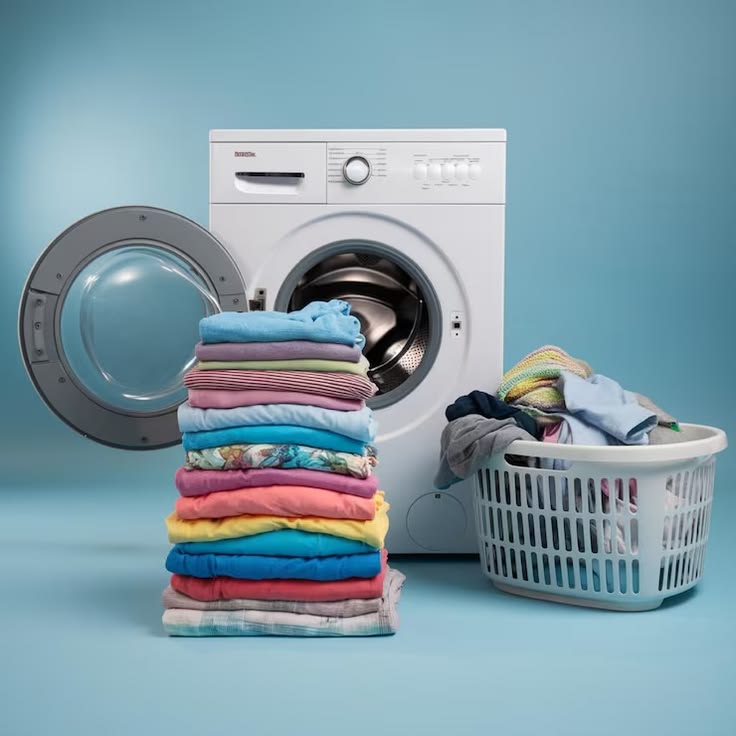
Your favorite clothes can lose their original color after repeated washing. Black shirts may start looking gray, dark jeans can become dull, and colorful outfits may gradually lose their brightness. Although some fading is natural with regular wear, the right laundry habits can help slow down the process.
Many people assume that fading happens simply because clothes are old. However, washing temperature, fabric friction, detergent buildup, drying methods, and sunlight exposure can all affect how clothing looks over time.
Whether you are caring for everyday outfits, work clothes, school uniforms, or your favorite jeans, a few simple changes can help protect your wardrobe.
What Causes Clothes to Fade During Laundry?
Understanding why clothing loses its color is the first step toward better fabric care.
Several factors can contribute to fading:
- Frequent washing: Repeated washing creates friction that gradually affects fabric fibers and color.
- Excessive heat: Water and drying temperatures that are too high for a garment can contribute to color deterioration.
- Harsh washing conditions: Strong agitation and unsuitable cleaning products may affect certain fabrics and dyes.
- Overloading the washer: Crowded loads can increase rubbing and interfere with proper cleaning.
- Sunlight exposure: Direct sunlight can gradually fade some fabrics, especially during extended outdoor drying.
The exact cause depends on the fabric, dye, and care instructions.
How to Wash Clothes Without Losing Their Color
Protecting clothing color starts before the washing machine begins its cycle.
1. Separate Clothes by Color
One of the most important laundry habits is sorting garments before washing.
Create separate loads for:
- White clothing
- Light-colored clothing
- Dark clothing
- Bright and strongly colored garments
New or non-colorfast garments may release dye, so consider washing them separately according to their care instructions.
2. Turn Dark and Bright Clothes Inside Out
Turning suitable garments inside out helps reduce friction on the visible outer surface during washing.
This is especially useful for:
- Black jeans
- Dark T-shirts
- Printed shirts
- Colorful dresses
- Clothing with decorative designs
It is a simple step that can help preserve the appearance of frequently worn clothing.
3. Choose the Correct Water Temperature
Hot water is not necessary for every laundry load. For many colored garments, cold water can help reduce dye loss and unnecessary fabric stress.
However, always check the care label before choosing a temperature. Some heavily soiled garments and specific fabrics may require different washing conditions.
4. Select a Suitable Washing Cycle
The washing cycle affects how much movement and friction garments experience.
For washable colored clothing, consider a gentle or suitable regular cycle based on the fabric and level of soil. Delicate garments should receive the care recommended by their manufacturer.
Avoid using heavy-duty settings for every load when a gentler option is appropriate.
5. Measure Detergent Correctly
Using extra detergent does not automatically make clothes cleaner.
Too much detergent may leave residue on garments, especially when the washing machine is overloaded or the rinse is insufficient.
Follow the product instructions and use an amount suitable for the load size and soil level.
Special Tips for Keeping Black Clothes Looking Dark
Black clothing is a common part of many wardrobes, but it can gradually lose its deep appearance.
Here are some practical ways to care for black garments:
- Wash black clothes with similar dark colors.
- Turn garments inside out before washing.
- Use cold water when permitted by the care label.
- Avoid unnecessary heavy washing cycles.
- Separate black garments from lint-producing fabrics.
- Follow the recommended drying instructions.
- Avoid leaving dark clothing in direct sunlight for extended periods.
Black jeans and cotton shirts may naturally change appearance over time. Gentle, consistent care can help reduce avoidable fading.
How to Keep Bright-Colored Clothes Vibrant
Red, yellow, orange, green, and blue garments can make a wardrobe look lively. However, some bright fabrics may release dye, particularly when new.
Try these precautions:
Wash Similar Bright Colors Together
Group garments with similar colors and avoid mixing strongly colored items with whites or pale clothing when dye transfer is possible.
Be Careful With New Garments
Read the care label and wash new, strongly colored items separately when necessary. This can help prevent loose dye from transferring to other clothes.
Avoid Excessive Washing
Wash garments when they need cleaning rather than automatically washing items that have not been worn or soiled.
Protect Printed Designs
Turn printed clothing inside out and use a suitable washing cycle to reduce friction against decorative surfaces.
Drying Methods That Help Protect Clothing Color
The washing process is only part of proper garment care. Drying methods also matter.
Consider these practices:
- Check the care label before using a tumble dryer.
- Choose a lower heat setting when recommended.
- Avoid overdrying garments.
- Use an indoor drying rack for suitable clothing.
- Keep outdoor-dried garments away from prolonged direct sunlight when possible.
- Remove clothing from the dryer promptly after the cycle finishes.
Some garments are better suited to air drying, while others can safely be tumble-dried. The manufacturer’s instructions should guide your decision.
Laundry Mistakes That Make Clothes Look Older
Even expensive clothing can lose its appearance when it is not cared for properly.
Avoid these common mistakes:
Mixing all colors together: Dark dyes may transfer to lighter fabrics, leaving unwanted discoloration.
Ignoring care labels: Different fabrics have different temperature and cycle requirements.
Using too much detergent: Excess product may leave residue and require additional rinsing.
Overloading the machine: Clothes need enough room to move freely during washing.
Using excessive dryer heat: High heat can contribute to fabric wear and affect certain dyes and fibers.
Leaving wet clothes inside the washer: Remove garments promptly after washing to prevent unpleasant odors and other moisture-related problems.
Create a Better Laundry Routine for Your Household
A consistent laundry routine makes clothing care easier, particularly for families with different types of garments.
Try organizing your weekly laundry this way:
- Collect clothing from bedrooms, bathrooms, and laundry baskets.
- Separate whites, lights, darks, and bright colors.
- Check care labels on delicate or unfamiliar garments.
- Inspect pockets and close zippers before washing.
- Treat visible stains according to fabric instructions.
- Select suitable wash settings for each load.
- Dry and store garments according to their care requirements.
Keeping separate laundry baskets or labeled sections can make sorting easier for everyone in the household.
When Professional Laundry Service Can Make Life Easier
Managing several laundry loads every week can take considerable time. Busy households may also find it difficult to separate, wash, dry, and fold everything consistently.
4th Street Laundromat offers laundry options for customers in Frederick, MD.
If you need help managing everyday clothing, explore the wash and fold laundry service in Frederick. Customers who prefer additional convenience can learn about pickup and delivery laundry service.
You can also visit the self-service laundry facility if you prefer to handle your own washing.
For delicate, specialty, or particularly valuable garments, review the special-care laundry service and contact the team to confirm suitable cleaning options before arranging service.
Protect Your Wardrobe With Smarter Laundry Habits
Keeping clothes colorful and presentable does not require a complicated laundry routine. Sorting garments correctly, choosing appropriate water temperatures, avoiding overloaded machines, and following fabric care instructions can all help reduce unnecessary fading.
Small changes in how you wash and dry clothing can make everyday laundry more manageable while helping your favorite garments maintain their appearance.
For convenient laundry options in Frederick, MD, visit 4th Street Laundromat or contact the team to learn more about available services.
Frequently Asked Questions
Why do my clothes fade after washing?
Clothes may fade because of repeated washing, friction, excessive heat, unsuitable detergents, or sunlight exposure. The type of fabric and dye also influence how quickly fading occurs.
Should I wash colored clothes in cold water?
Cold water is suitable for many colored garments and may help reduce dye loss. Always follow the care label because some items require different washing temperatures.
How can I keep black jeans from fading?
Wash black jeans with similar dark garments, turn them inside out, use a suitable cold-water cycle when permitted, and avoid excessive heat during drying.
Can I wash bright clothes with dark clothes?
It is generally better to separate bright and dark garments, particularly when the items are new or may release dye. Sorting by similar colors helps reduce the risk of color transfer.
Does sunlight fade clothing?
Yes. Prolonged exposure to direct sunlight can gradually affect the color of some fabrics. Follow the garment’s drying instructions and avoid unnecessary sun exposure.
How can I stop new clothes from bleeding color?
Check the care label and consider washing strongly colored new garments separately for their first washes. This helps reduce the risk of loose dye transferring to other items.